There are numerous customs, traditions, beliefs, and superstitions associated with bidding farewell to the old year and welcoming the new one, which aim to ensure people's health, good fortune, a bountiful harvest and animal fertility for the coming year. These include customs such as driving away evil spirits with noise, the onion calendar - a prediction of the weather for the coming year - or beliefs related to food, such as the prohibition of eating poultry that scratches (turns luck) on the last day of the year, while eating lentils, millet, and fish (due to their coin-like scales) brings financial abundance in the new year.
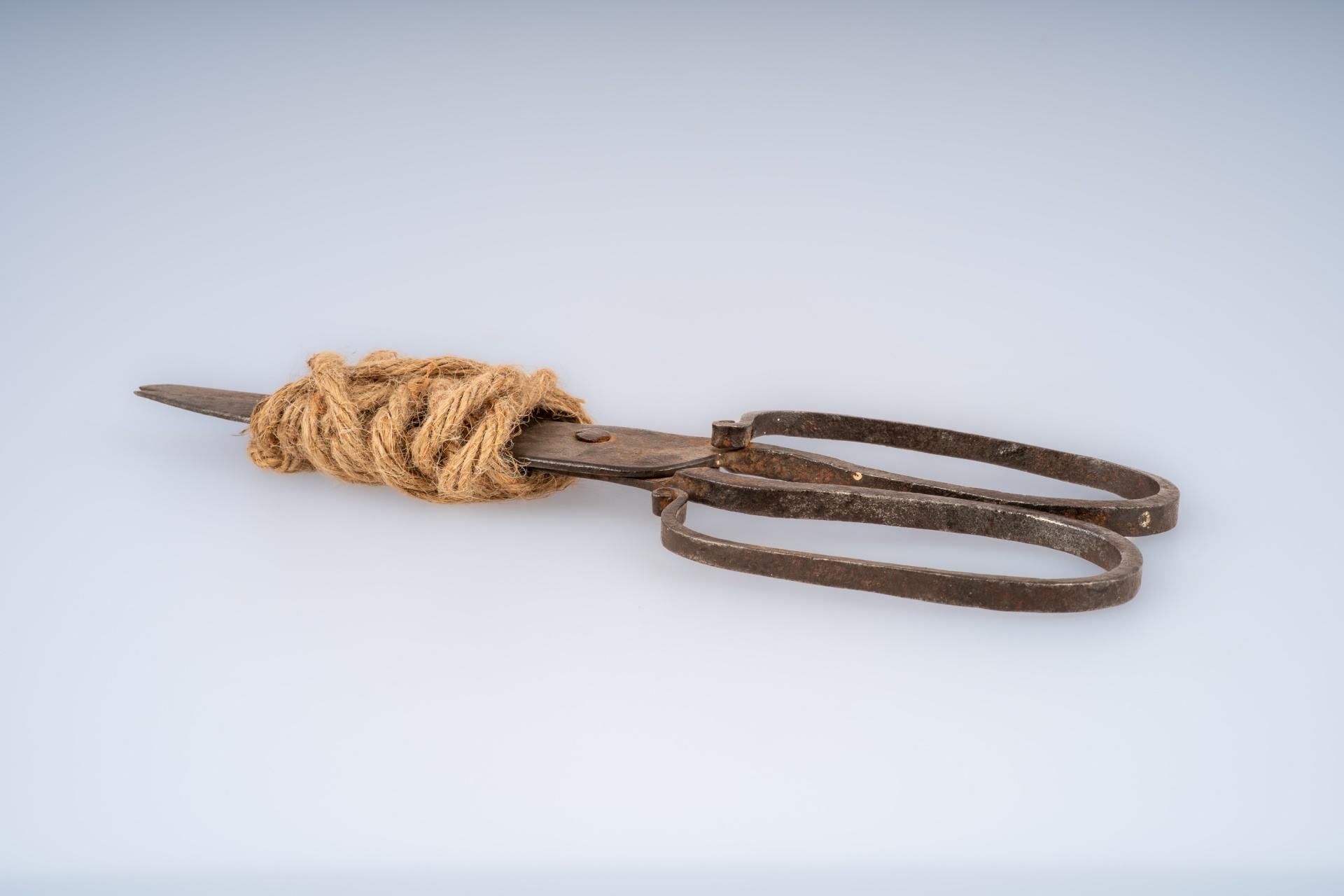
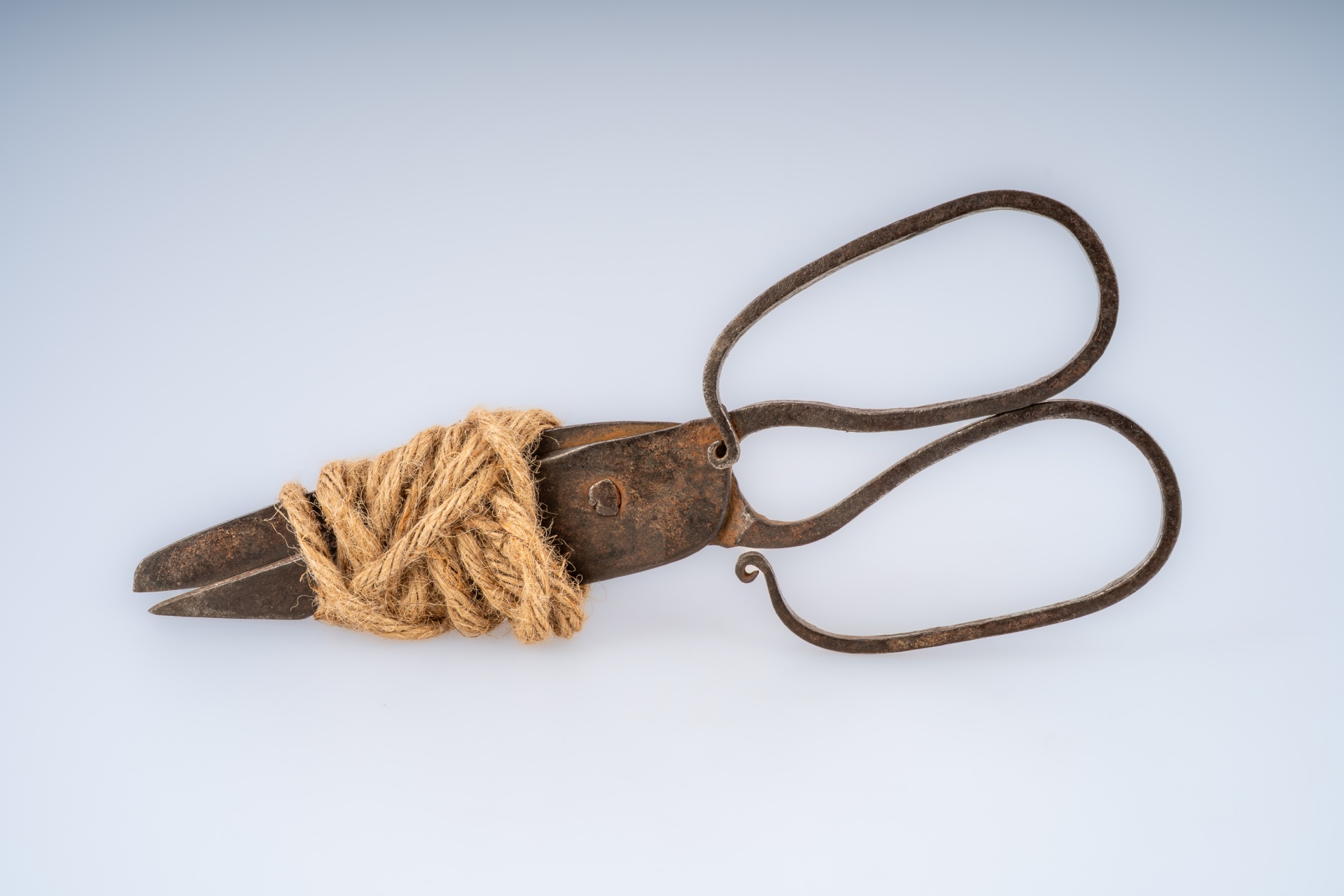
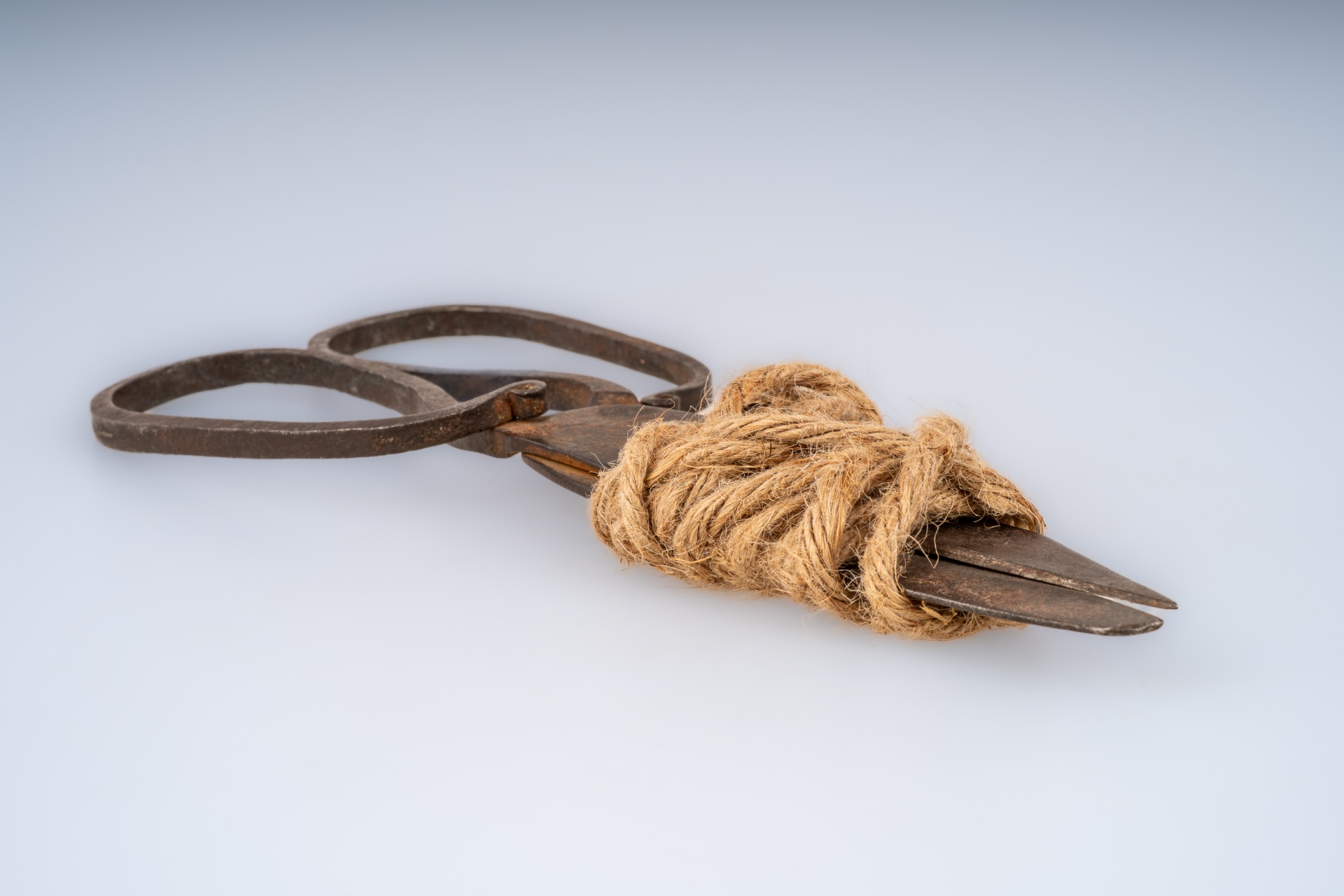
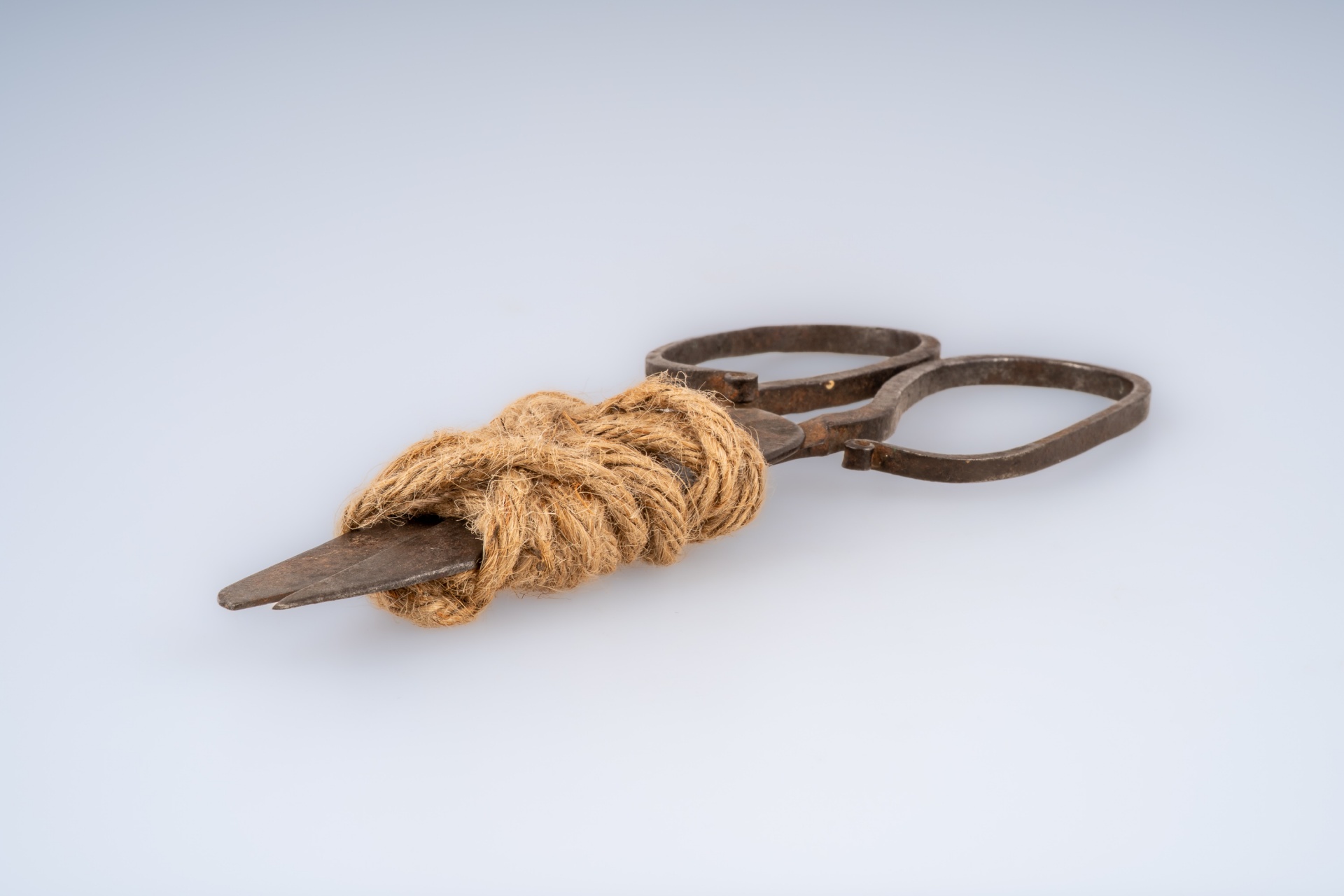
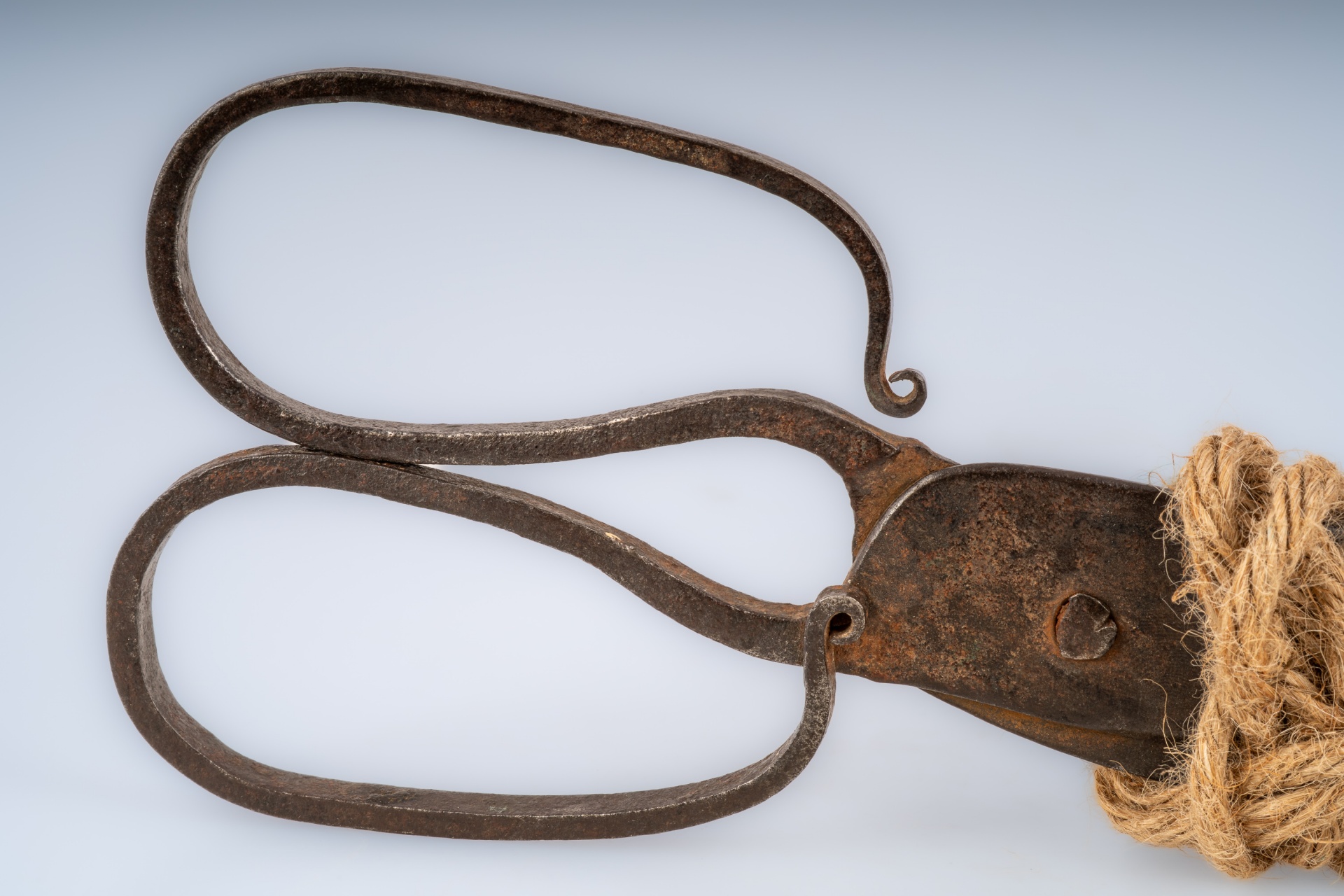
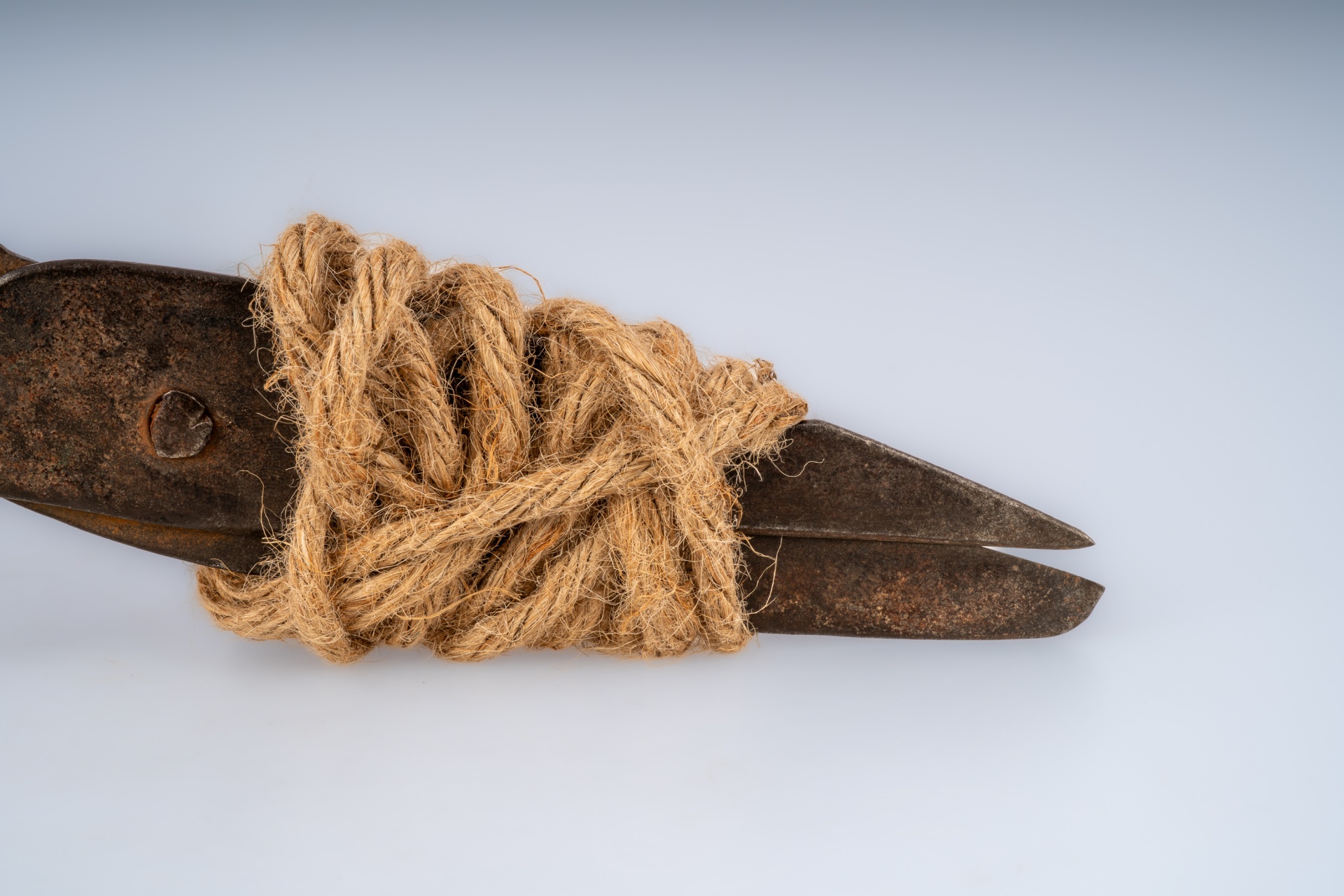
The object of December is a sheep shearing shear tied with string, from the ethnographic collection of the Szekler Museum of Ciuc, chosen from the multitude of beliefs related to animal husbandry, especially sheep breeding, which was one of the most important means of livelihood of the szekler people of Ciuc. For example, in order to ensure a safe return of sheep in fall, from the pastures, in spring they were taken out of their winter shelters, by stepping over a chain. At the same time, on Saint George's Day, smoking was practiced, so that the sheep would not be affected by diseases or attacks by wild animals during the summer grazing. An old superstitious custom, based on the same belief, was practiced on the day of Adam and Eve, on December 24, during the Christmas fast, when the two blades of all the shears in the yard and household were tied tightly with string and untied only on the first day of the New Year. During this time, everything that was necessary was cut with a knife or a cleaver. It was believed that in this way, "the wolf's mouth will not open", "it will not be able to catch the lamb" and the sheep in the pasture will not fall victim to wolves in the following year.