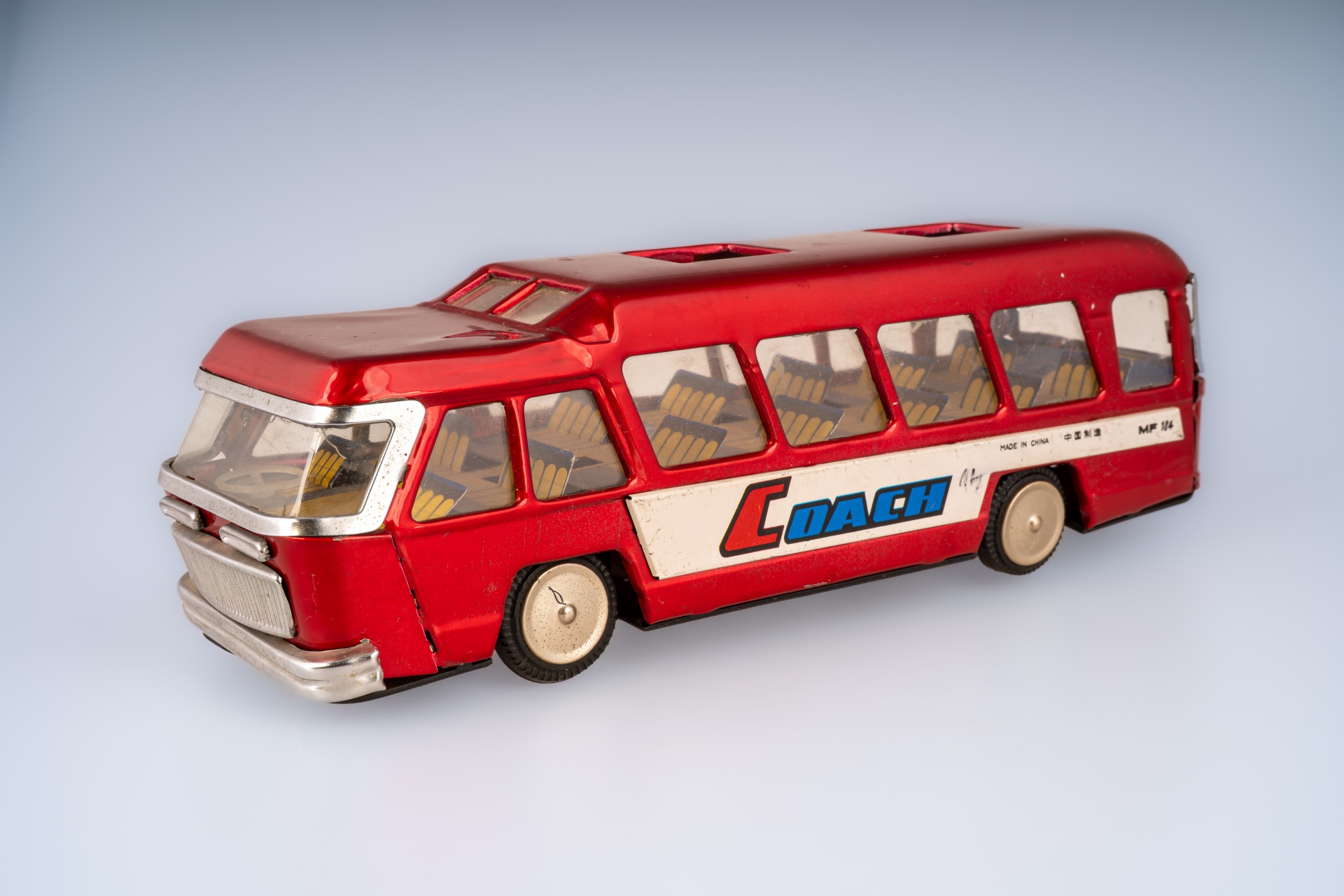
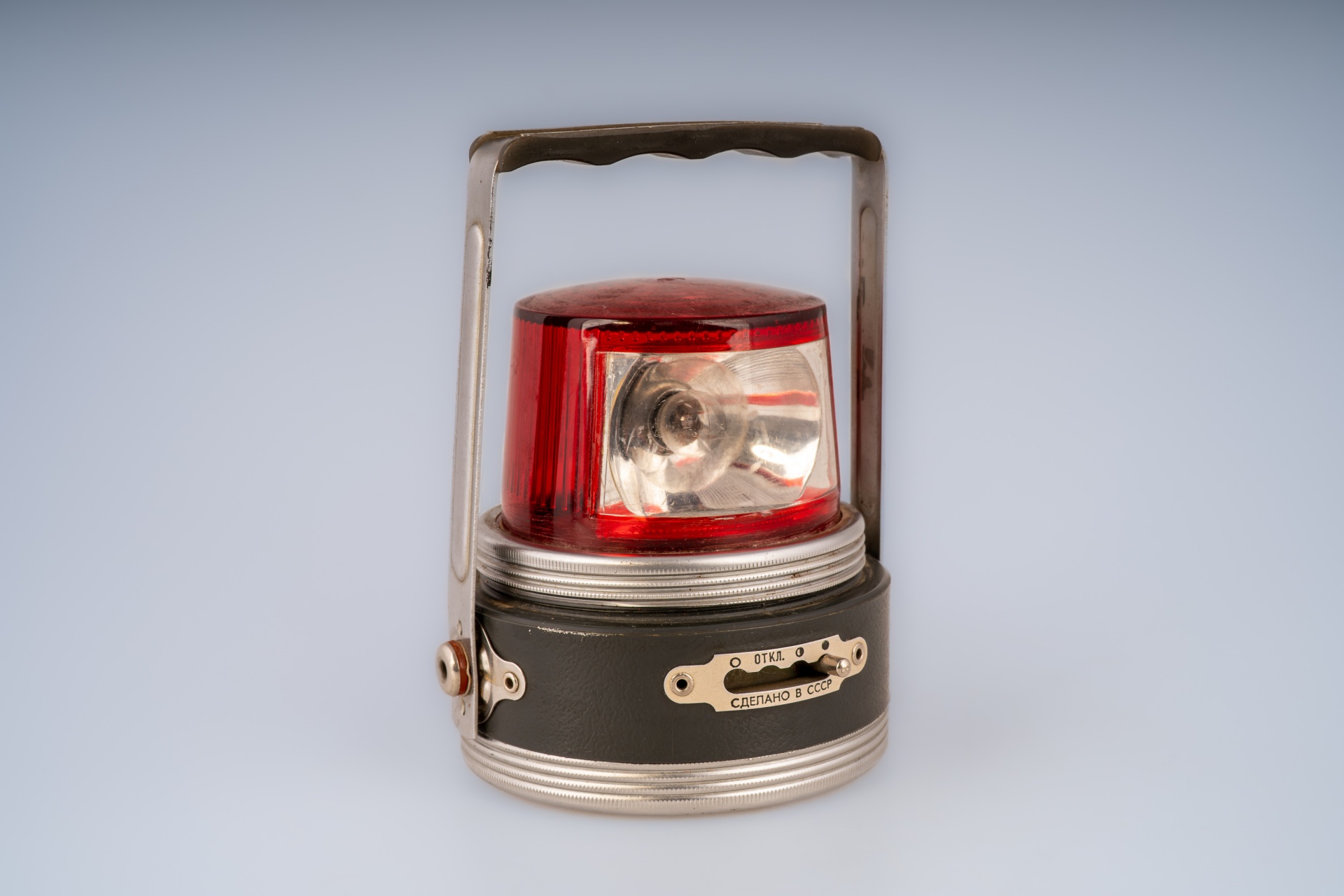
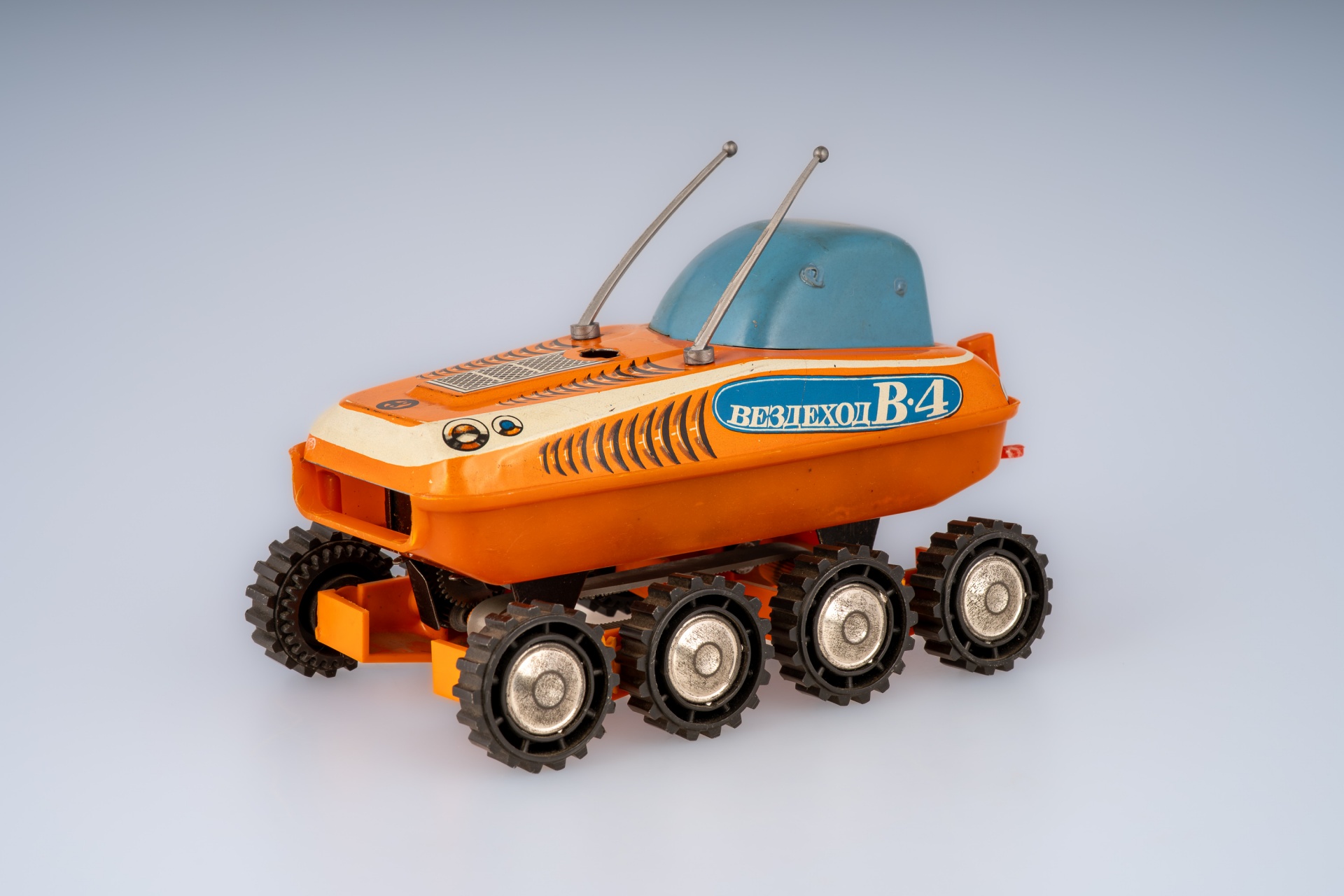
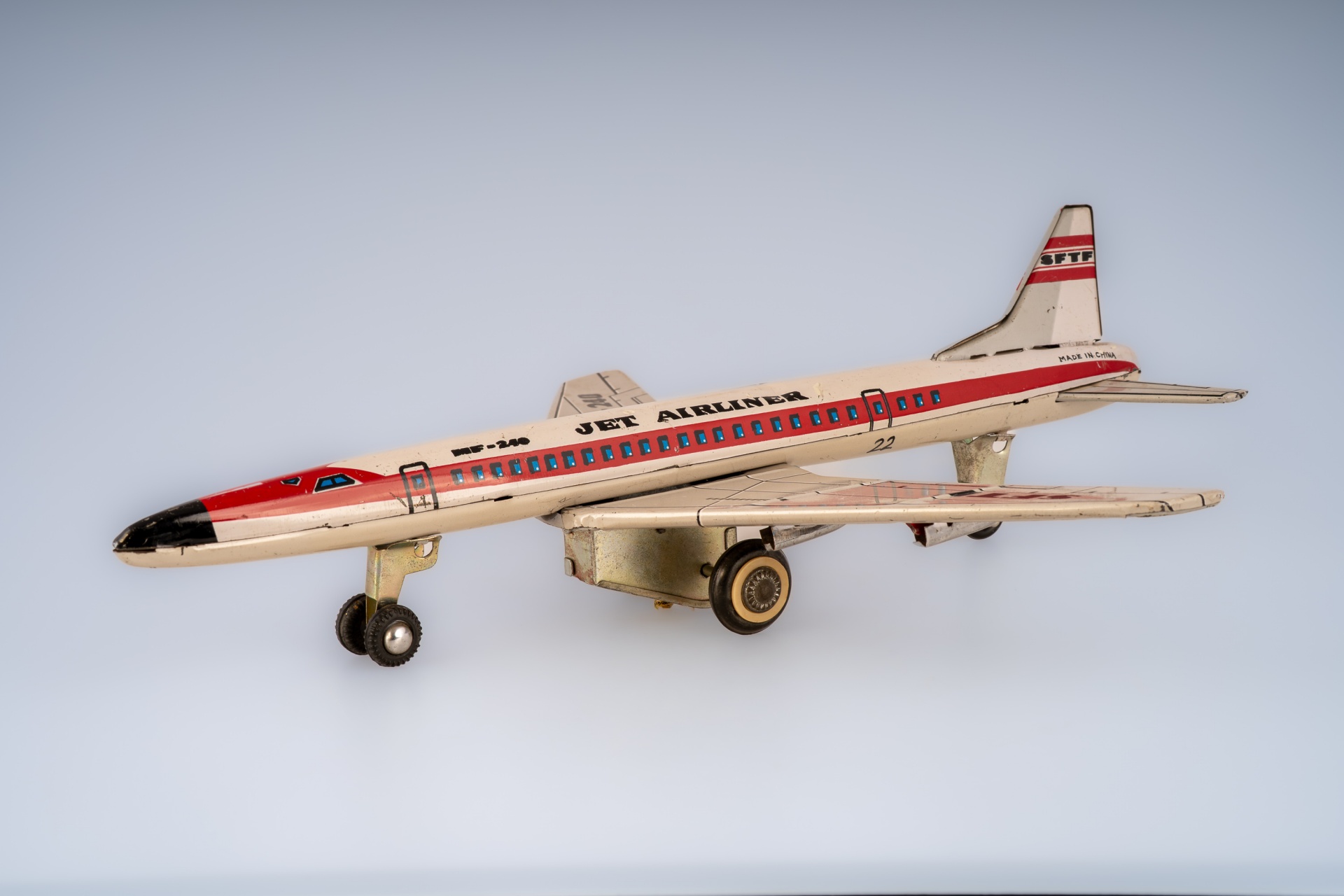
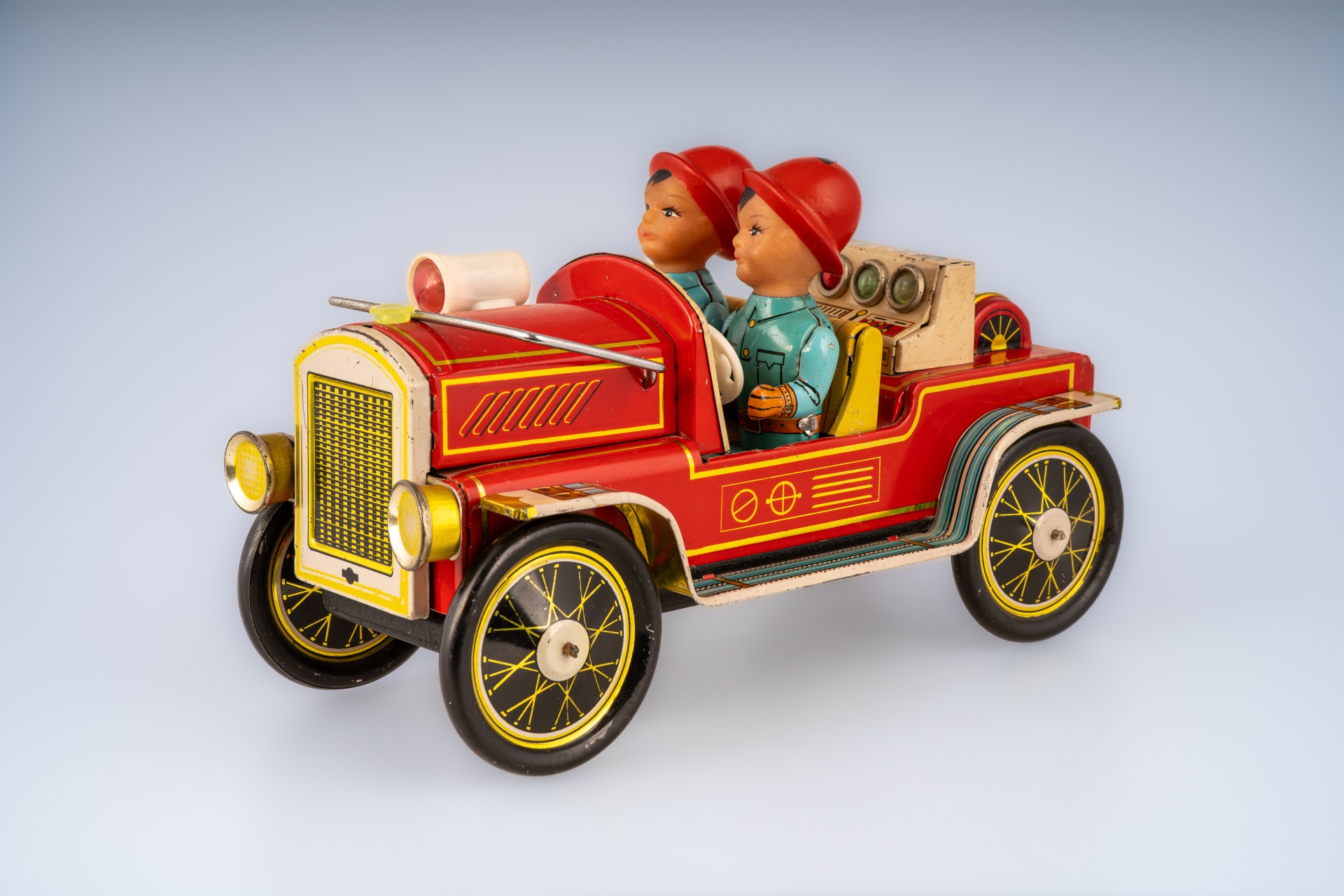
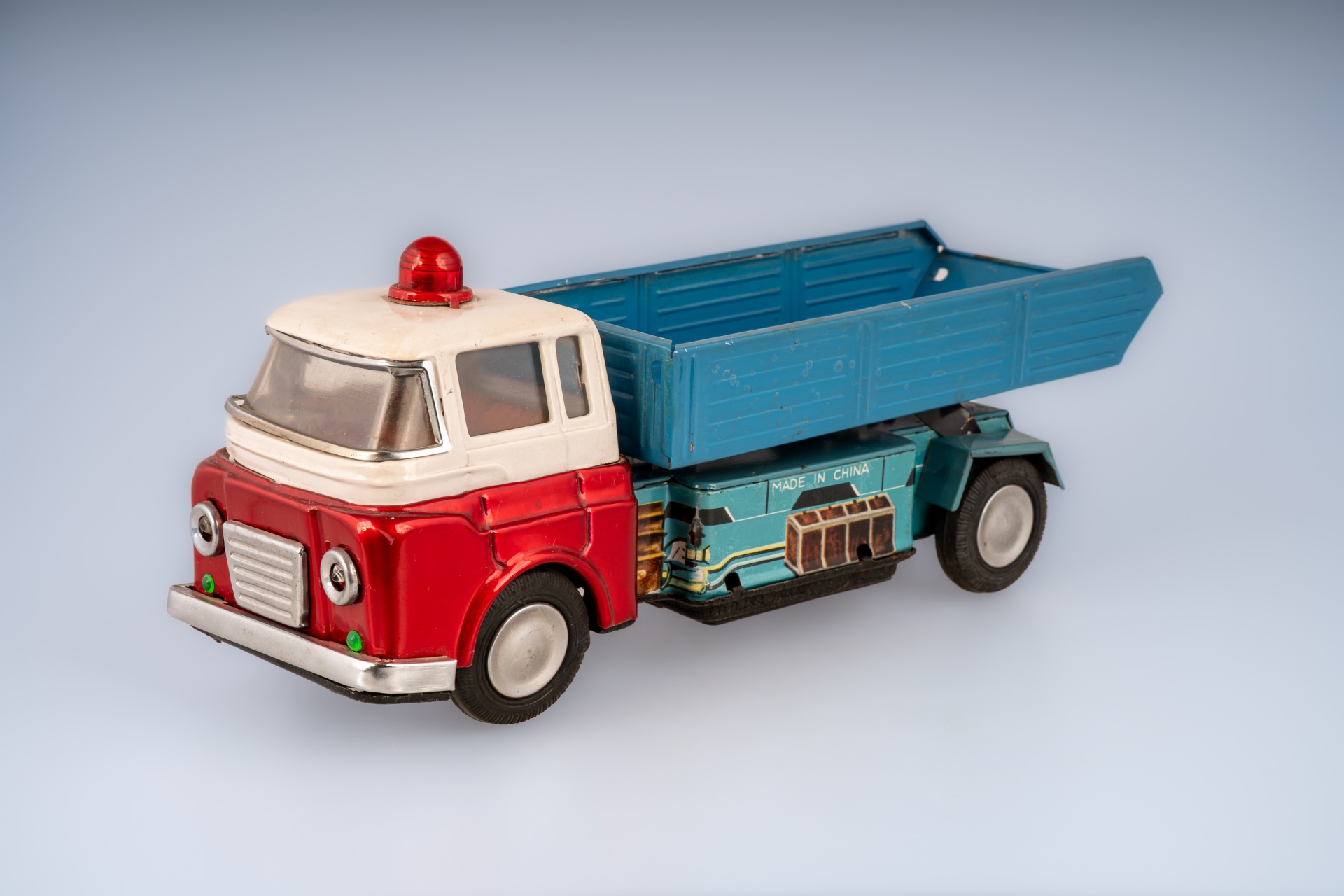
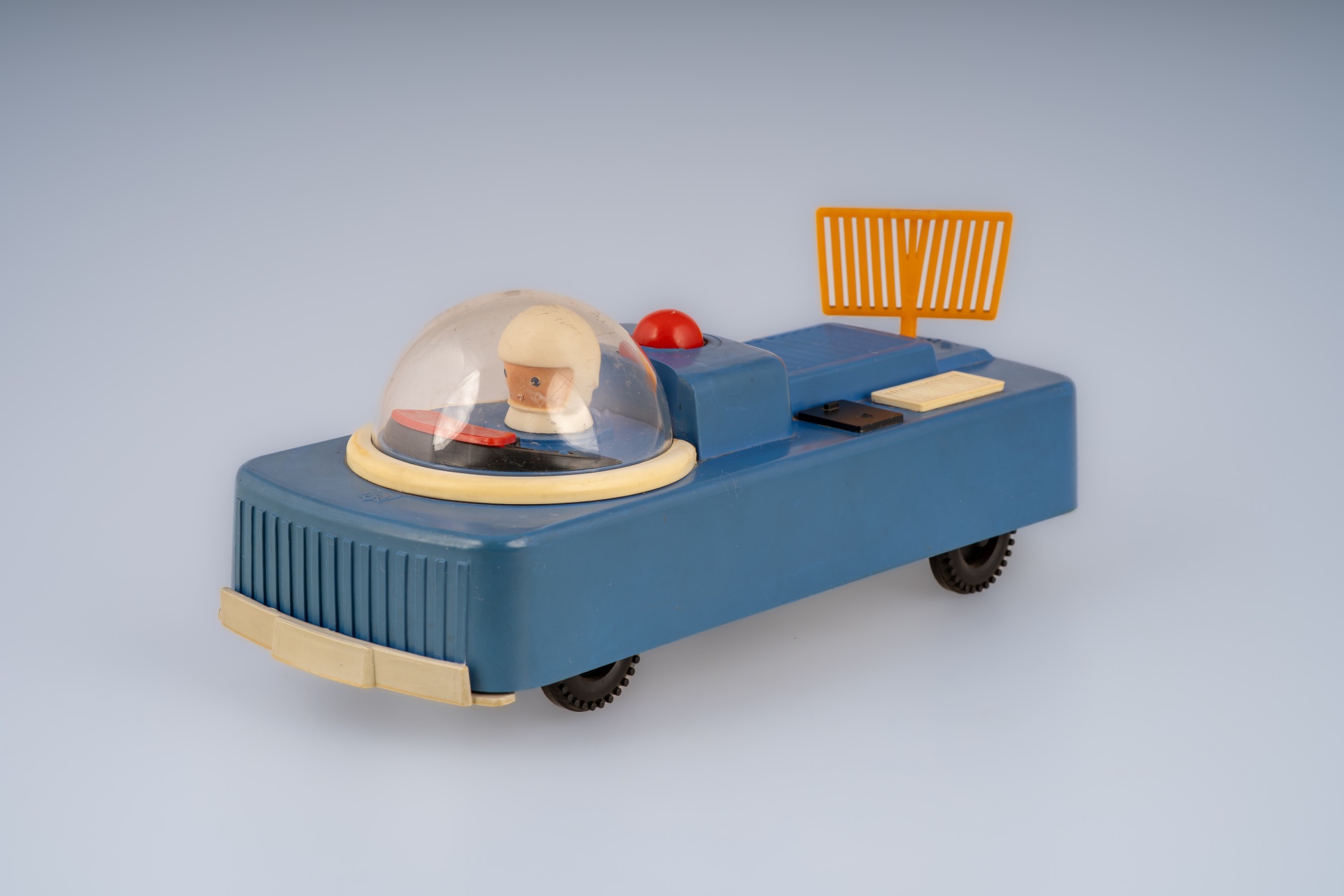
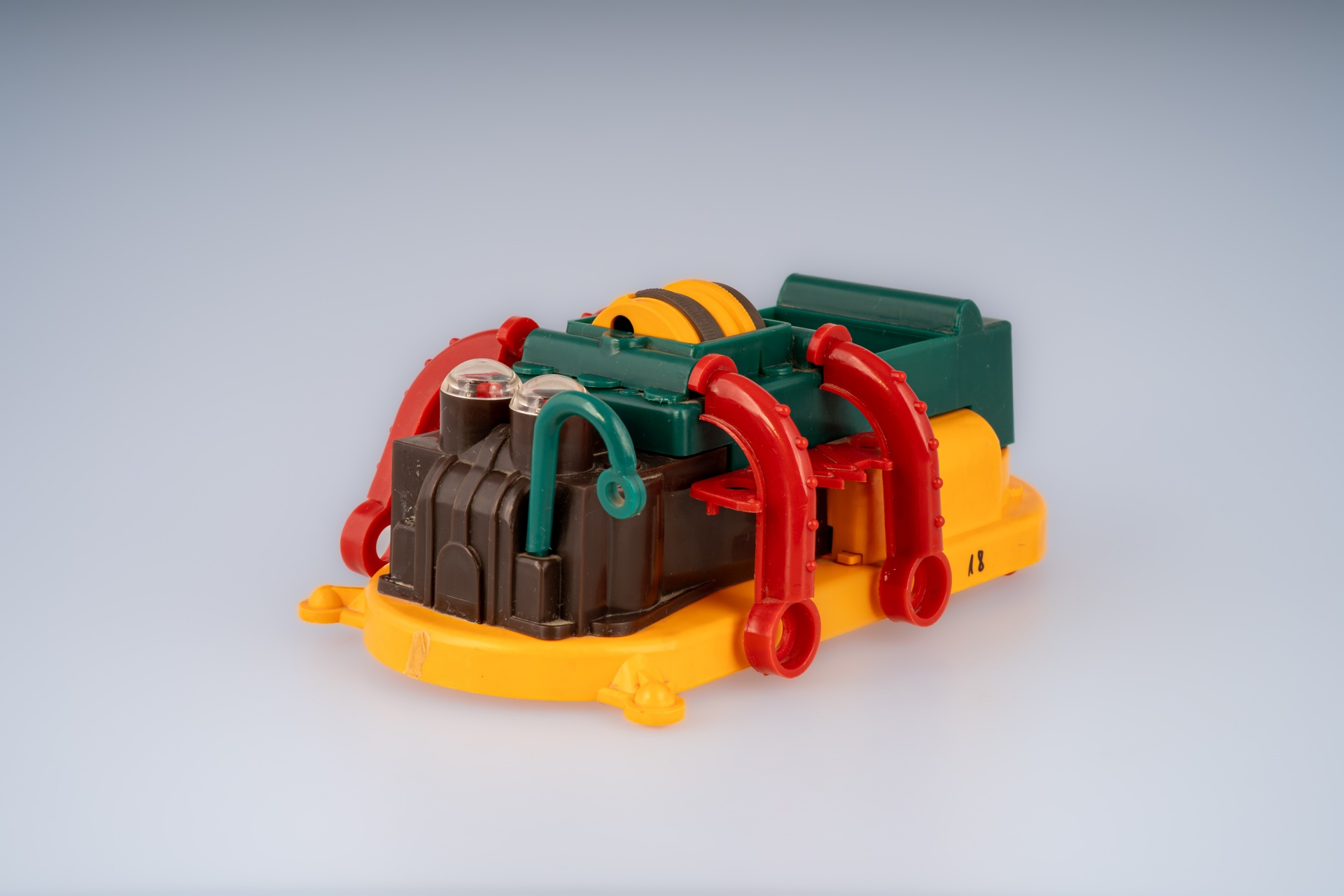
For the June Object of the Month, we chose children’s toys that entered the museum’s historical collection through a generous donation, with the donor’s wish that they should one day receive a worthy place in a museum exhibition. Taking this aspect into consideration as well, we decided to display a collection of children’s toys that already represent museum value, while also considering them important as evocative elements of the atmosphere surrounding Children’s Day. Within the historical collection, these objects primarily complement the material on the history of everyday life from a child’s perspective. Toys originating from different eras bear the stylistic characteristics of the historical and social environment of their time, which gives them a special cultural and historical value.
Our donor was born in 1980 in Miercurea Ciuc, where he also grew up, and is currently a successful designer working for a fashion house in Milan. In his statement, he describes childhood memories, his attachment to certain objects, as well as the possibilities and circumstances through which the toys were obtained in Romania during that period, considered the most difficult among all the countries of the “communist bloc.”
The way he recalls these memories also provides a realistic image of that era:
“My mother managed to buy Chinese toys through ‘connections and acquaintances’ and by giving ‘bribes,’ obtaining them ‘from under the counter.’ Through the company she worked for, she traveled twice to the Soviet Union, where she sold clothes purchased in Romania for rubles, even including the clothes worn there, and brought me small ‘spacecraft’ vehicles that represented Russia’s ambitions at the time. Donald Duck and the orange toy car with the number 5 (which was the only model displayed in the ‘toy section’ of a large department store, repeated ‘a hundred times’ along the long shelves) could be found in the playrooms of most children. During trips to Eastern Europe in 1985, they also brought back the little train set. From friends in Iași, who had connections with the ‘West’ through the university (university studies, editor’s note), they obtained and copied the English version of the Monopoly game.”