If it’s February, then it’s cold, snow, skates, and sledges, right?
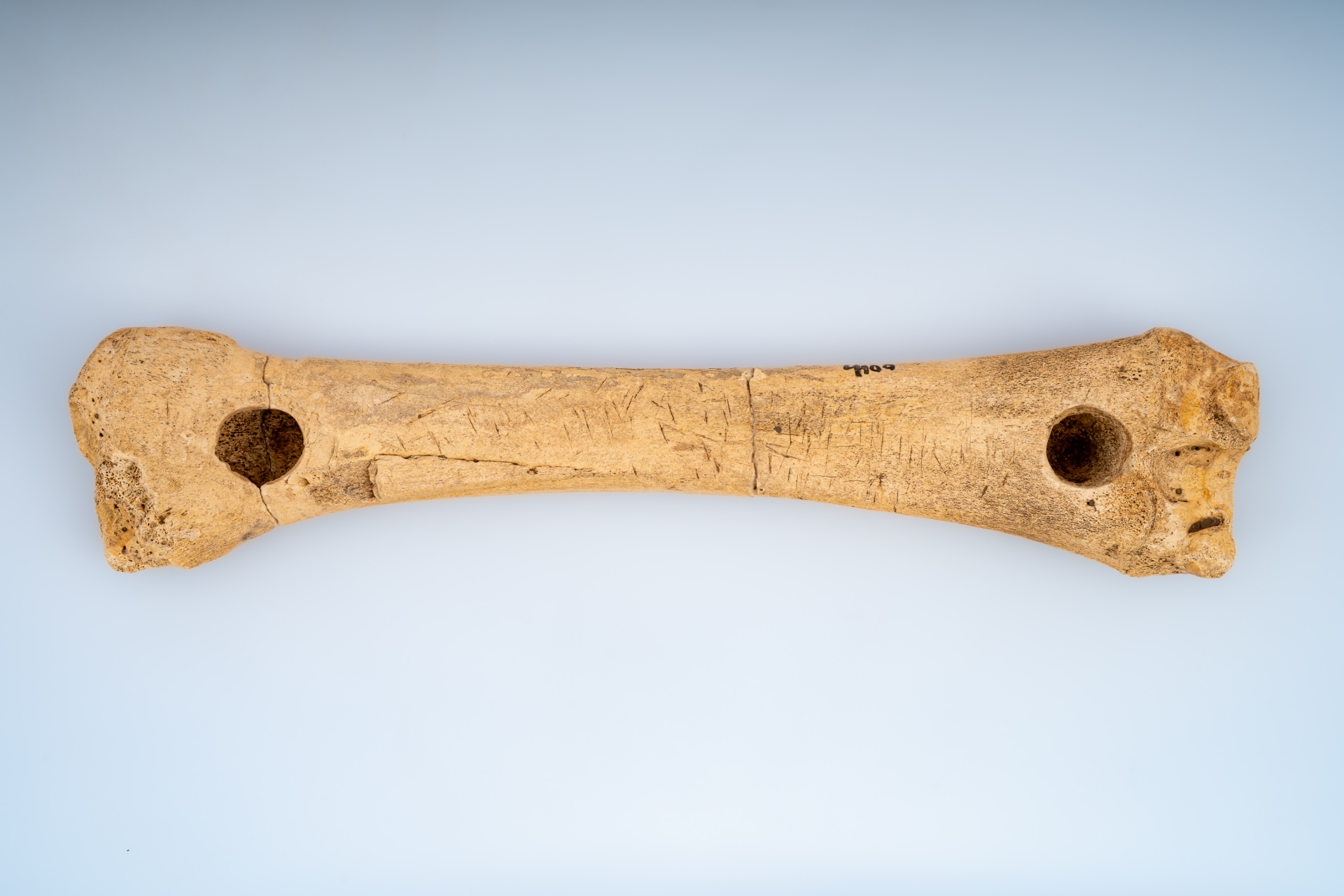
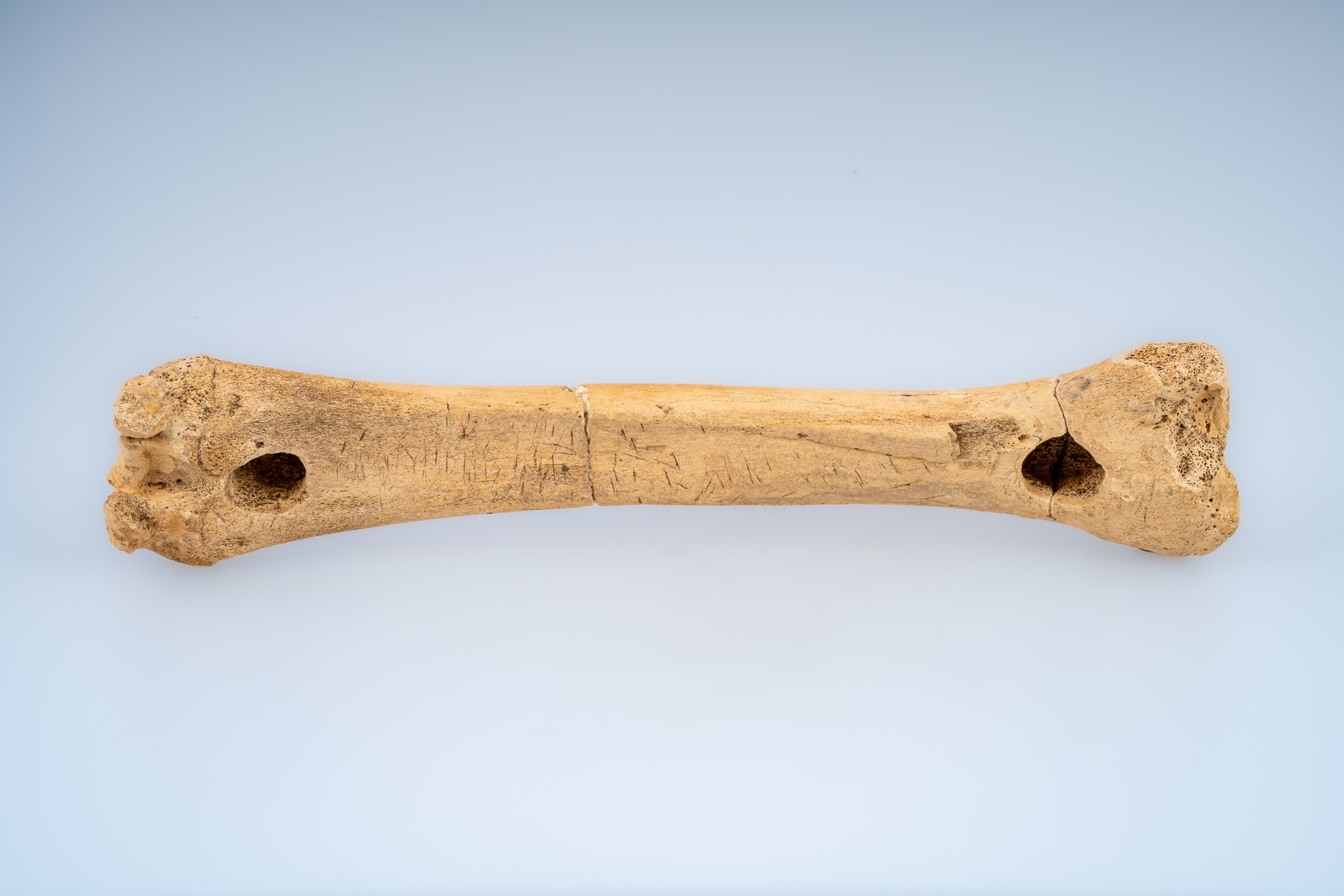
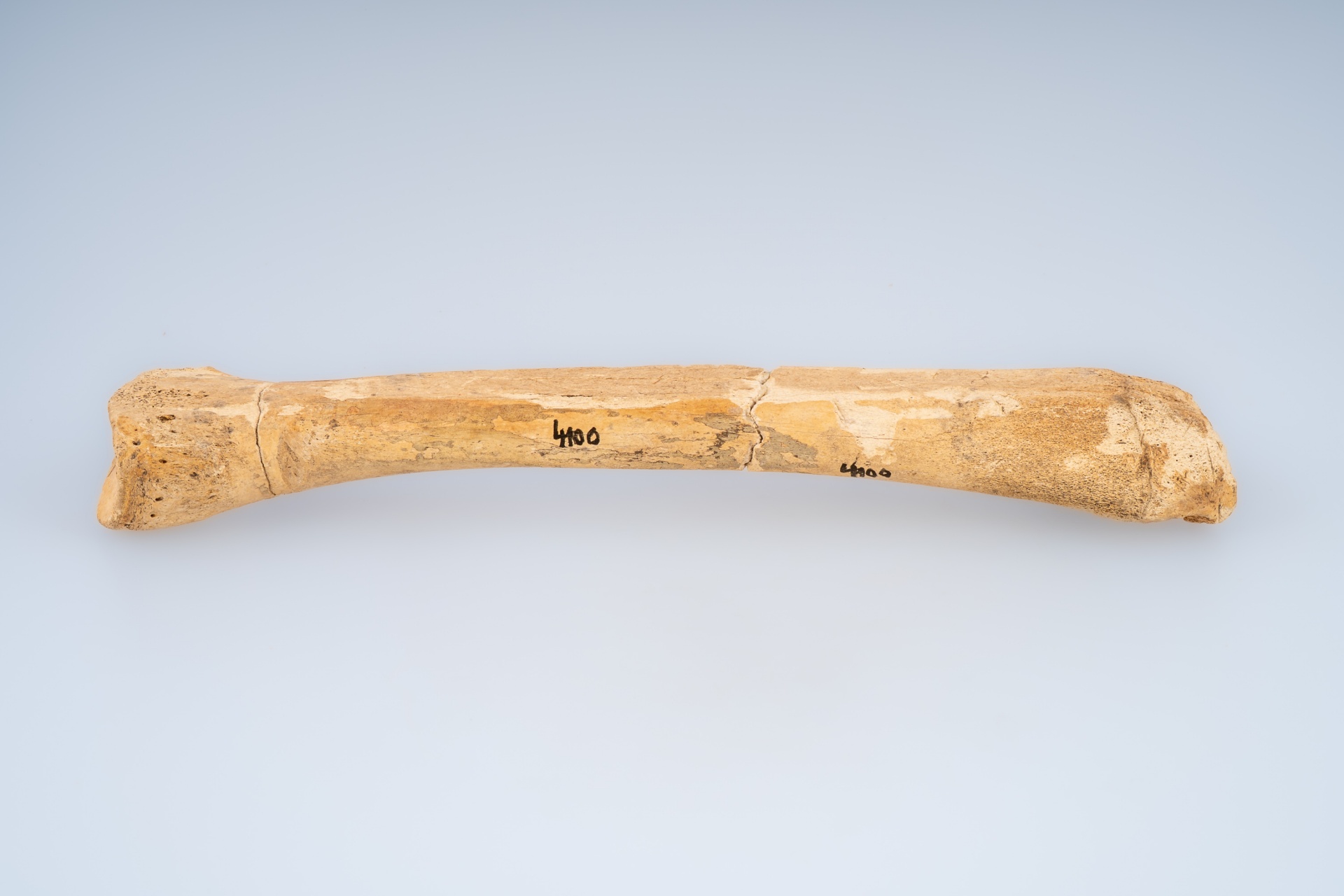
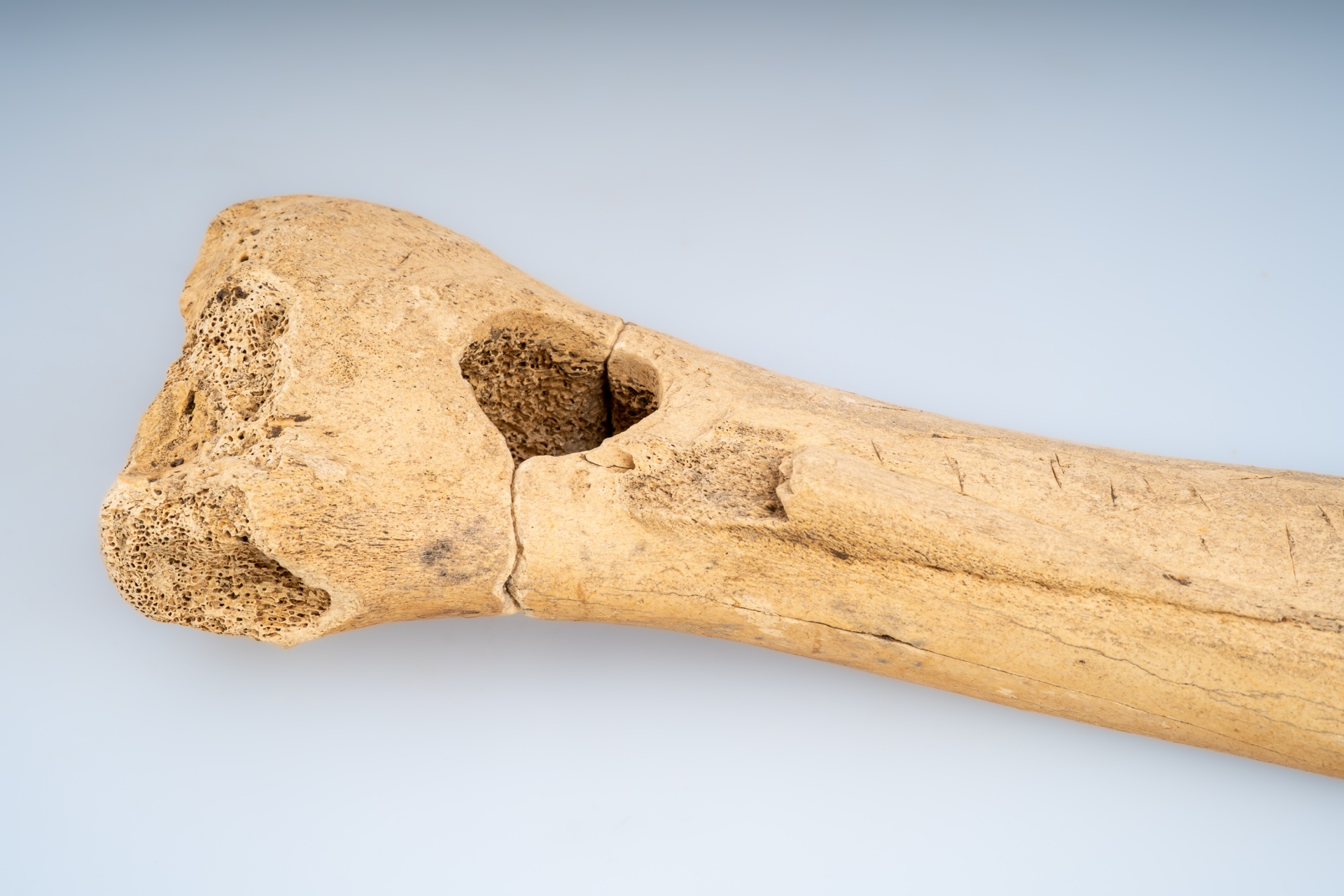
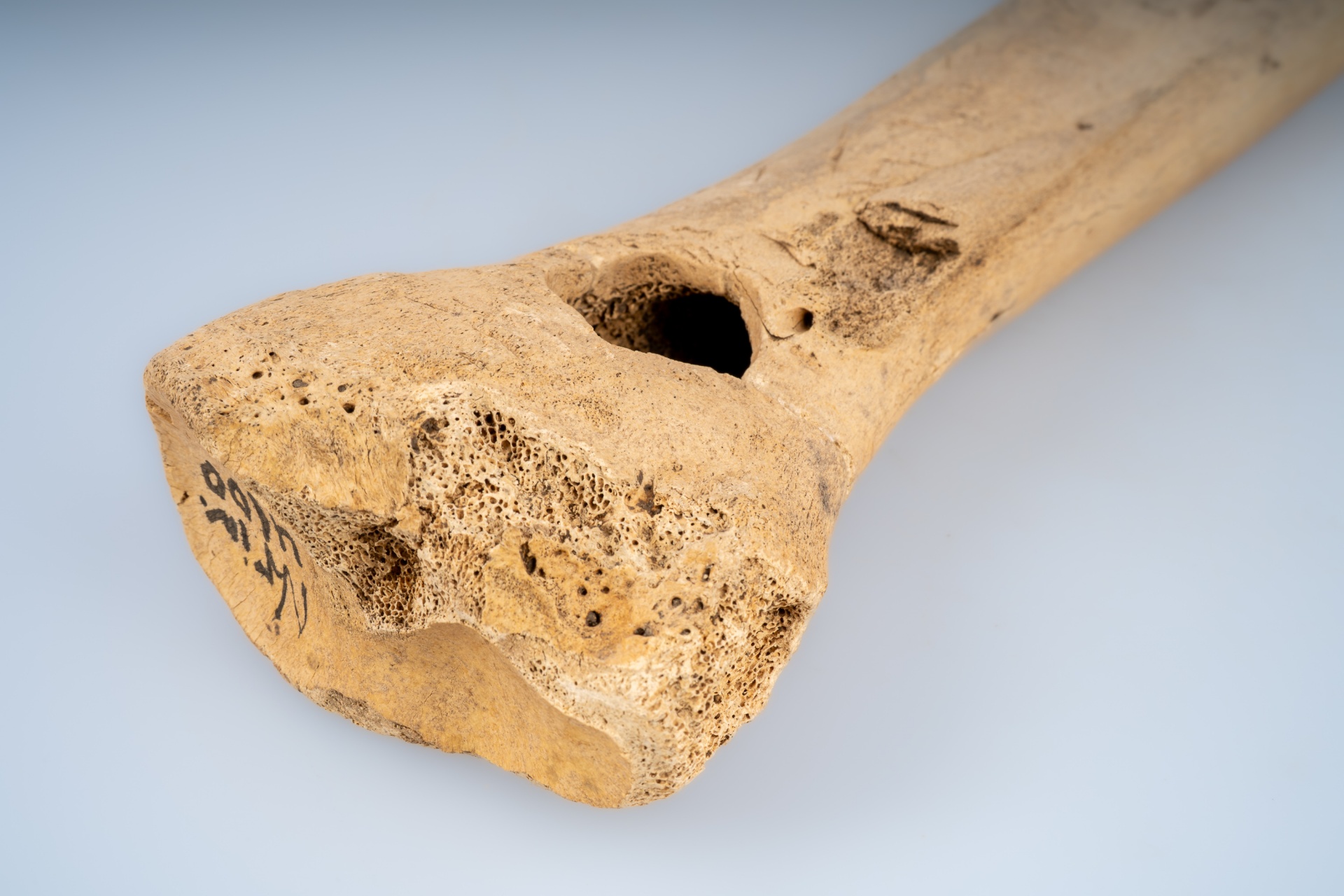
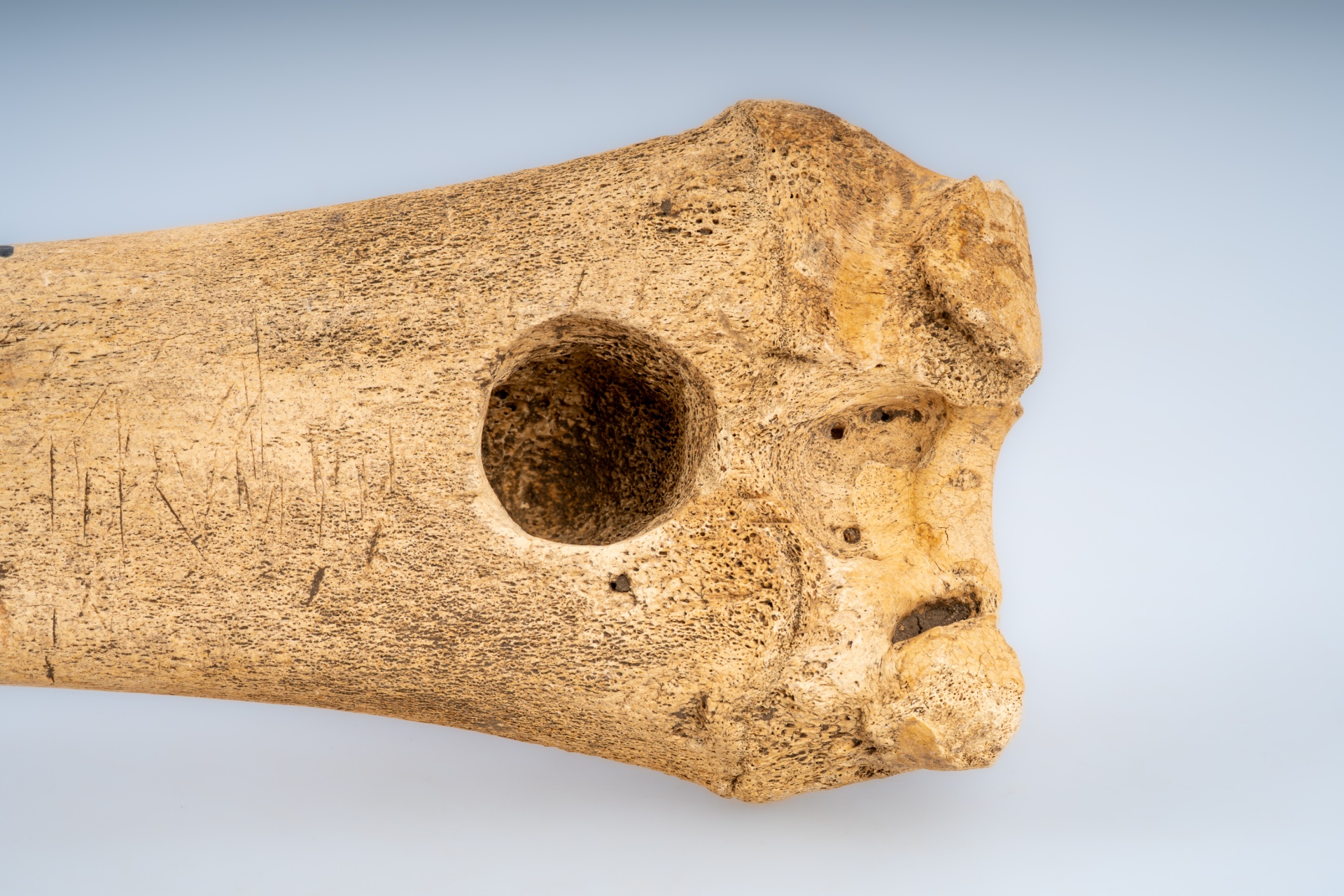
Winters likely passed this way in the old days as well, for instance, near Mihăileni (Csíkszentmihály) in the 17th century, in the former village of Cibrefalva. In this part of the settlement, which was destroyed during the Tatar invasions, archaeological excavations in the 1980s unearthed this find—an object crafted from a horse's radius bone. Due to its polished, worn surface, it was long identified as a skate. By threading a rope or leather strap through the two holes and the interior of the bone, it could have been attached to a shoe.
However, our most recent (archaeological and archaeozoological) research suggests that instead of a sliding device strapped to the foot, this object functioned much more likely as a sledge runner. In this case, the holes served for the attachment of the wooden pegs of the sledge—which was likely made of timber.
What could have been more suitable in winter for transporting felled firewood down from the mountain? Or even for carrying heavy water barrels and grain sacks. Perhaps even for bringing home hunted game from the depths of the forest.
The Artifact of the Month for February—the sledge runner made of horse bone—was thus not merely a technical tool, but a key to winter survival. With its help, people turned the disadvantages of winter (the cold and the snow) to their own advantage, performing tasks for which they would not have had the strength or the opportunity during the summer.